

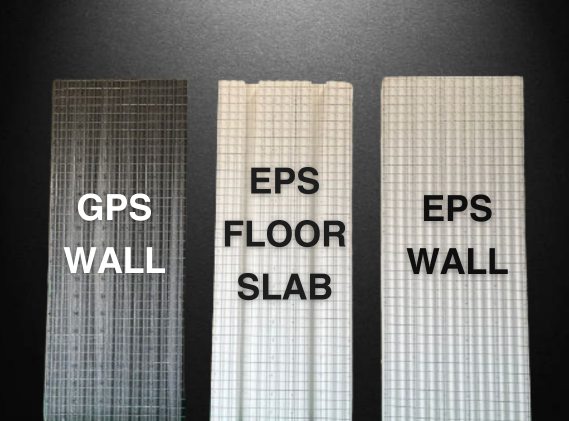
EPS Panels: Lightweight and Efficient Building Solutions
Expanded Polystyrene (EPS) panels are widely used in modern construction as a lightweight, durable, and energy-efficient building material. These panels consist of a rigid insulation core made from expanded polystyrene foam, sandwiched between structural layers such as steel mesh, fiber cement boards, or reinforced concrete. EPS panels are increasingly preferred in residential, commercial, and industrial projects due to their thermal insulation, fast installation, and cost efficiency. 🏗️
Structure and Composition
An EPS panel typically includes three main components:
-
EPS Core: The inner foam layer provides insulation and reduces overall weight.
-
Reinforcement Layer: Steel mesh or structural boards add strength and stability.
-
Protective Coating: Cement plaster or concrete improves durability and fire resistance.
The combination of these materials produces panels that are both strong and lightweight, making them easier to transport and install compared to traditional brick or concrete walls.
Advantages of EPS Panels
EPS panels offer several practical benefits that make them suitable for modern construction. 🔧
1. Thermal Insulation
EPS foam has excellent insulating properties, helping maintain comfortable indoor temperatures. Buildings constructed with EPS panels require less heating and cooling, leading to lower energy consumption.
2. Lightweight Construction
EPS panels are significantly lighter than conventional materials such as bricks or concrete blocks. This reduces the load on foundations and structural elements, which can lower construction costs.
3. Fast Installation
Prefabricated EPS panels can be assembled quickly on site. Reduced construction time leads to lower labor costs and faster project completion.
4. Cost Efficiency
Lower material weight, reduced labor requirements, and improved energy efficiency make EPS panels an economical choice for many projects.
5. Sound Insulation
EPS panels provide moderate sound insulation, making them useful in residential buildings and office spaces.
Applications
EPS panels are used in a variety of construction applications. 🏢
-
Residential houses
-
Office buildings
-
Warehouses
-
Cold storage facilities
-
Prefabricated structures
-
Partition walls
They are especially useful in areas where rapid construction is required, such as temporary housing or disaster relief shelters.
Limitations
Despite their advantages, EPS panels also have certain limitations.
Fire Sensitivity
Although treated EPS materials can resist fire, raw polystyrene is combustible and must be properly protected with plaster or fire-resistant coatings.
Structural Limitations
EPS panels may not always replace reinforced concrete structures in heavy load-bearing applications. Additional structural support may be required.
Environmental Concerns
EPS is a petroleum-based product and is not biodegradable. Recycling options exist but are not always widely available.